

上个月,八打灵再也一位财务经理问了我们一个很实在的问题:“Claude 一个月才 RM94,为什么让整个团队用起来,反而比订阅费贵这么多?”这个问题很公道,也很常见。Claude 的标价随手可查;而在一家马来西亚企业里真正把 Claude 跑起来——还要按 PDPA 的要求处理客户数据——要花多少钱,没有哪个定价页会写。诚实地谈 Claude 在马来西亚的价格,这两笔账都得算。
所以下面是一份 2026 年 Claude 价格的令吉版拆解:个人与团队方案、按 token 计费的 API 费率,以及决定这个项目最终是回本还是慢慢失血的那些部署开支。价格会变,请把文中每个数字当作起点,并在做预算前到 Anthropic 官方定价页核对当前金额。
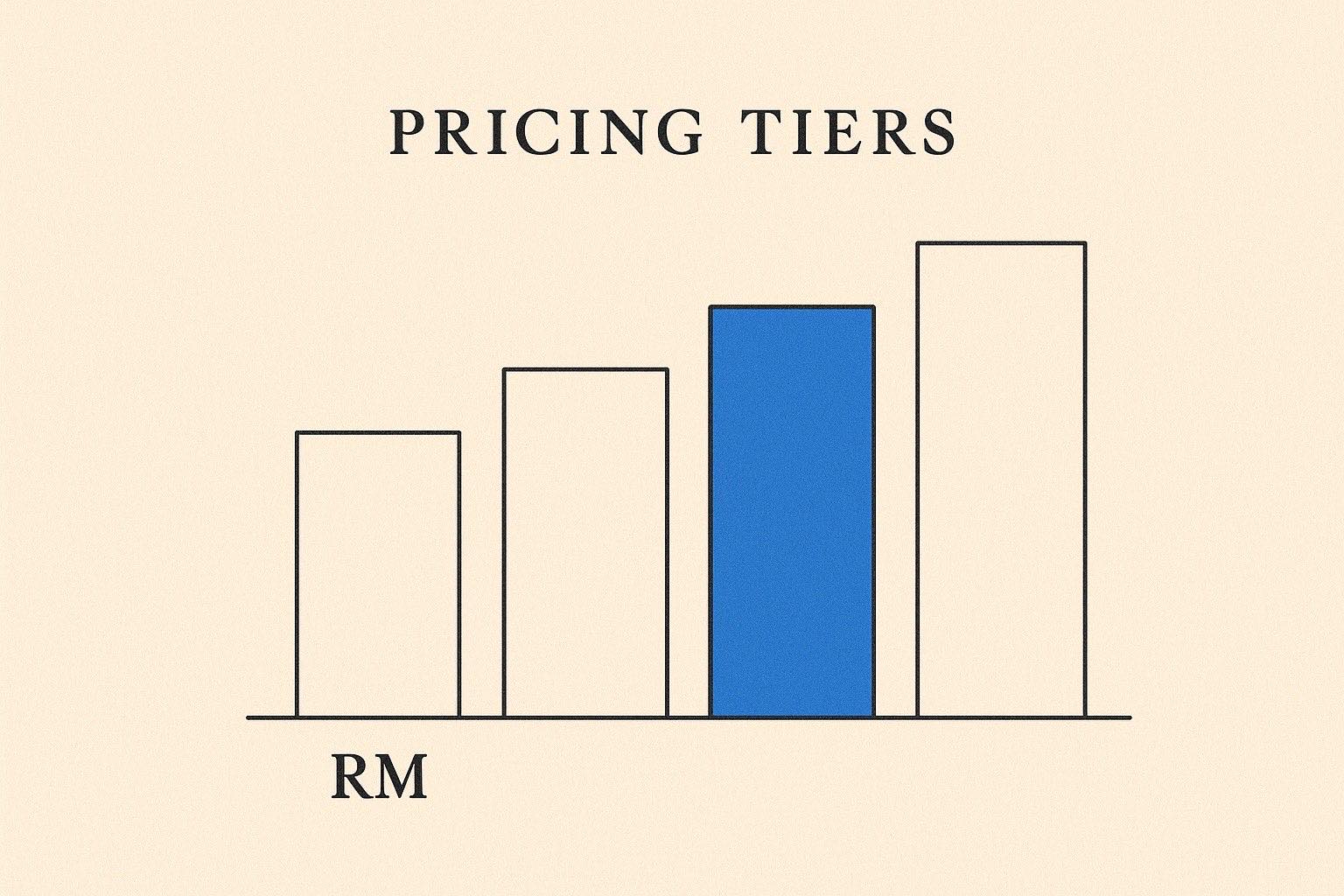
直接算出你自己的数字
下面的方案标价是最容易的部分。如果你想要的是自己团队的实际金额,把人数、方案与使用强度填进去——计算器会给出真实的月度与三年总成本(令吉或新元),并导出一份可以直接交给管理层的 Excel。
算出你的 Claude 成本(RM / SGD)
Claude 在马来西亚可以用吗?
可以。Anthropic 把马来西亚列入其支持国家名单,因此马来西亚企业可以在网页和手机端注册,订阅 Pro、Team 或 Enterprise,也能直接在 Claude API 上开发。若要在 AWS 上使用 Claude,目前距离最近、提供 Claude 的 Amazon Bedrock 区域是新加坡(通过跨区域推理覆盖马来西亚),因为 Bedrock 尚未在 AWS 马来西亚区域上线。所以对本地企业来说,问题从来不是“能不能用”,而是“多少钱、选哪一档”。
Claude 各档方案价格:令吉与新元
Anthropic 以美元结算,下面的令吉金额按约 RM4.09 兑 1 美元估算,新元金额按约 S$1.28 估算(市场中间价,2026 年 8 月 11 日)——你的信用卡账单会跟着实时汇率走。截至 2026 年年中,已公布的档位如下:
- Free — 0 美元。 网页、手机与桌面端,有每日用量上限。试用可以,作为业务依赖不行,因为上限会在你做到一半时把你截断。
- Pro — 每月 20 美元(约 RM82 / S$27),年付则为每月 17 美元。 个人主力档:更高用量上限、扩展推理、文件生成,以及终端里的 Claude Code。这是“一位知识工作者”的方案。
- Max — 每月 100 美元(约 RM409 / S$128)为 Pro 的 5 倍用量,200 美元为 20 倍。 给不断撞到 Pro 天花板的重度个人用户。
- Team Standard — 每席位每月 25 美元(约 RM102 / S$32),年付为每席位每月 20 美元。 最少两席 —— Anthropic 已把门槛从五席下调,两人小团队现在也能直接订阅。增加 SAML 单点登录、集中计费、管理控制,以及对合规最关键的一条——默认不用你团队的对话训练模型。
- Team Premium — 每席位每月 125 美元(约 RM511 / S$160),年付为每席位每月 100 美元。 用量是 Standard 席位的五倍,适合整天离不开 Claude 的团队。
- Enterprise — 定制报价。 数据驻留、治理、审计日志与采购要求都在这一档。如果贵司受马来西亚国家银行监管、处于 PDPA 审视之下,或需要签署数据处理协议,这才是该谈的那一档。
对大多数马新企业,一个务实的读法是:先让少数几个人上 Team Standard,而不是各自散着开个人 Pro 账号。年付的 Team Standard 席位价格与 Pro 相当接近,却多了企业真正需要的管理与隐私控制,而且账单集中在一处,不必分散在五张个人信用卡上。想看各档能力与安全性的逐项对比,请见我们的 Claude 方案对比(马来西亚)。
Download the full Claude plan report (PDF)
Every tier compared — pricing, capabilities, and security — in a one-page report for IT and procurement. Enter your email and we'll start the download.
We'll only use your email to send the report, plus updates if you tick the box above. Figures are compiled from Anthropic's public pricing; verify before purchase.
Claude API 价格:当你是在开发,而不只是聊天
如果你要把 Claude 嵌进产品里——网站上的客服助手、文档处理流水线、内部工具——你付的是 API 的 token 费用,而不是席位费。一个 token 大约是四分之三个英文单词。输入(你发送的内容)与输出(Claude 生成的内容)分开计费。当前每百万 token 费率为:
- Claude Fable 5(Anthropic 能力最强的模型,价格最高档):输入 10 美元,输出 50 美元。
- Claude Opus 5(重度推理与智能体工作):输入 5 美元,输出 25 美元。 Opus 以标准价格提供 100 万 token 上下文窗口,没有长上下文溢价。
- Claude Sonnet 5(速度与智能的最佳平衡,通常的生产默认选择):输入 2 美元,输出 10 美元。 比仍为 3/15 美元的旧款 Sonnet 4.6 更便宜。
- Claude Haiku 4.5(最快、最便宜):输入 1 美元,输出 5 美元。
把这些费率放进真实用量里看。设想一家雪兰莪零售商,网站助手每月处理 3,000 次客户对话,每次平均约 1,500 个输入 token、700 个输出 token。跑在 Haiku 4.5 上大约是 450 万输入与 210 万输出 token——每月约 15 美元,不到 RM75。同样的流量换成 Sonnet 4.6,则接近 45 美元(约 RM210)。选型对账单的影响,远大于对话量本身。
我们见得最多的失误,是团队把每一个任务都默认丢给最强的模型。给工单打标签、起草一封确认邮件,并不需要 Opus。把模型与任务对上号,正是「一个能自己赚回成本的 AI 功能」与「云账单上一笔尴尬支出」之间的分界线。
定价页从不写出来的那部分成本
回到那位财务经理的问题。订阅费或 API 账单,很少是项目里最贵的部分。要让 Claude 部署得可靠、安全、并且真的被用起来,成本更高——以下这些是签字之前就该列进预算的科目:
- 集成。 把 Claude 接到你的 CRM、WhatsApp、订单系统或知识库,是实打实的工程。一个独立的聊天窗口很便宜;一个懂你产品、能对你数据采取行动的助手,是一个项目。
- 数据治理与 PDPA。 依据马来西亚个人资料保护法令,哪些客户数据流入 AI 系统、在何处被处理,责任在你。Team 方案默认不将你的对话用于模型训练,Enterprise 再加上驻留与审计控制——但把这些正确配置好并留下文档,是实际工作量,不是打个勾。若你在权衡谁能访问什么(员工最常问的是管理员能否读到自己的对话),请见我们的 Claude 隐私与合规指南。
- 变革管理。 AI 预算的隐形杀手。一个没人信任、也没人会用的工具,无论授权费多低,都是 100% 的浪费。培训、提示模板,以及几位内部推动者,决定了它能否真正留下来。
- 复核与监督。 早期阶段,凡是会触达客户或影响决策的输出,都需要有能力的人过一遍。把这部分时间算进预算;随着信任建立它会缩减,但在高风险场景永远不会归零。
这些都不该让你放弃 Claude。它只是说明:你要按项目做预算,而不是按授权。真正吃亏的,是只为订阅做了准备、事后才收到集成账单的那些企业。
怎样才能真正把账单压下来
一旦你开始用 API 开发,可用的成本杠杆既真实又幅度可观——而多数团队都没去动它们:
- 提示缓存。 如果你的助手每次请求都复用同一段上下文——产品目录、政策文件、系统提示——对重复部分做缓存最高可把这部分输入成本降低约 90%。对高流量助手,这通常是单项最大的节省。
- 批量处理。 对时效性不强的工作——夜间文档分析、批量分类、报表生成——Batch API 的输入与输出都打五折。如果你不需要这一秒就拿到答案,就不该按全价买它。
- 按任务选型。 如上:高频与草稿用 Haiku,中间地带用 Sonnet,只有「答错代价很高」的推理才用 Opus。这个决策我们在 Claude Opus 4.8 值不值得付费里有深入讨论。
- 按数据敏感度分层。 常规工作走标准通道,把受控、带驻留要求的路径留给敏感数据。只在真正需要的地方为更严格的控制付费。
这一切之下还有一个策略选择:直接构建在 Anthropic 的 API 上,还是走 AWS Bedrock 这类云平台。计费、数据驻留与采购三方面的取舍,值得单独讨论——我们在 Anthropic API 与 Bedrock 之争(马来西亚企业版)中有完整展开。
自助上手,还是找伙伴部署?
如果你只是想让一个小团队把 Claude 当作更聪明的助手,Team 方案真的就够了。买席位、办一场简短的内部提示词培训,就完成了。不必过度设计。
当 Claude 成为业务运行方式的一部分时,算法就变了——嵌入客户触点、处理受 PDPA 或国家银行要求约束的数据、或自动化一个出错代价高昂的流程。到那一步,上文的集成、治理与监督工作本身就是项目,做错的代价高于找人帮忙的代价。那条线,正是部署伙伴值回费用的地方。接上模型从来不是难点;把它安全地接进业务、并让团队真的依赖它,才是。
作为与马来西亚企业合作的 Anthropic 合作伙伴,我们的时间主要花在第二种场景:界定部署范围、处理集成与符合 PDPA 的数据配置,并确保这套东西真的被用起来。我们不公布固定价格,因为这完全取决于你要连接什么、数据有多敏感;诚实的答案是先聊清楚你的具体情况再报价。想看一个真实、受治理的部署长什么样,我们关于 为马来西亚投资机构部署 Claude 的记录,走过了其中的数据敏感度决策。
也把我们的角色说清楚:Anchor Sprint 是 Anthropic Claude Partner Network 的成员——一家部署与推广伙伴,不是分销商。我们不以任何形式转售 Claude。值得知道的是,每种产品的采购渠道其实并不相同:
- Pro 与 Team 席位是自助购买,直接在 claude.com 向 Anthropic 下单,中间没有分销商。
- Enterprise 是与 Anthropic 销售团队直接谈的合约(通常在 150 席位以上,采用较低席位费加 token 用量计费)。
- API 与模型用量是唯一存在分销路径的渠道:可直接向 Anthropic 采购,可通过云平台(Amazon Bedrock、Google Vertex AI、Microsoft Foundry),也可以——仅限 AWS——通过 Anthropic 授权的分销商在 Bedrock 上采购 Claude。三者的 token 费率相同。
无论你最终走哪条渠道,我们收费的对象都是它周边的工作:范围界定、集成、符合 PDPA 的配置,以及让你的团队真正用起来。
那么,一家正在权衡 Claude 价格的马新企业,最后该怎么看?方案价格是负担得起的,API 定价也合理,缓存与批处理能实实在在削掉一块。2026 年 6 月的 Claude Sonnet 5 让这幅图景又好了一层——它以中端 token 价格提供接近旗舰的能力,如今往往是智能体工作负载的新默认选项。真正决定项目能否回本的,是定价页永远不会显示的那部分部署成本。把它列进预算,Claude 的性价比是站得住的。
常见问题
Claude 在马来西亚多少钱?
Claude Pro 每月 20 美元(约 RM82),Team Standard 每席位每月 25 美元(约 RM118,最少两席),Max 每月 100 至 200 美元,Enterprise 为定制报价。若走 API,则按 token 计费——Claude Haiku 每百万输入 token 约 1 美元,Opus 为 5 至 25 美元。Anthropic 以美元结算,因此令吉金额会随汇率浮动;用我们的 Claude 成本计算器可以算出你自己的月度金额。
Claude 在新加坡多少钱?
对新加坡企业而言,方案是同样的美元价格:Pro 每月 20 美元(约 S$26),Team Standard 每席位每月 25 美元(约 S$32,最少两席),Enterprise 定制,API 按 token 计费的费率也相同。若你部署在 AWS 上,Amazon Bedrock 的新加坡区域同样提供 Claude。我们的 Claude 成本计算器可直接给出 SGD 金额。
马来西亚和新加坡能用 Claude 吗?
可以。Anthropic 将马来西亚与新加坡都列入其支持国家名单,因此两地企业都能订阅 Pro、Team 或 Enterprise,并直接在 Claude API 上开发。在 AWS 上,距离最近、提供 Claude 的 Amazon Bedrock 区域是新加坡,通过跨区域推理覆盖马来西亚。
企业真正部署 Claude 要花多少钱?
订阅费或 API 账单通常是小头。真正的成本在于集成(把 Claude 接到你的 CRM、WhatsApp、订单系统或知识库)、符合 PDPA/PDPC 的数据治理、变革管理,以及人工复核。这些是项目工程,不是一张授权单——把它们列进预算,Claude 的性价比才真正成立。
怎样才能降低 Claude 的 API 账单?
三个杠杆最有效:提示缓存(重复上下文如产品目录或系统提示,最高可省约 90%)、Batch API(非紧急任务放到夜间跑,费用减半),以及按任务选型(高频用 Haiku,中间地带用 Sonnet,只有高风险推理才用 Opus)。所有任务一律默认调用最强模型,是我们见过最常见的超支原因。
参考资料
- Anthropic — 方案与定价:当前的个人版、Team 与 Enterprise 方案价格,以及按 token 计费的 API 费率。
- Anthropic — 提示缓存:缓存上下文如何将输入成本降低最高约 90%。
- 马来西亚个人资料保护:PDPA 个人资料义务的官方来源。
免责声明: 本指南整理自 Anthropic 官方网站的公开信息,仅供参考与研究之用。所有方案、价格与费率于发布时(2026 年 6 月)准确,可能随时变动且不另行通知。Anchor Sprint 是 Anthropic Claude Partner Network 的成员及部署伙伴,并非分销商;我们与 Anthropic 无从属关系,未获其授权或背书,Claude 与 Anthropic 是 Anthropic, PBC 的商标。最终且具权威性的价格与购买,请通过 Anthropic 官方渠道 claude.com。想先要一个方向?联系我们,我们会指引你选对方案与对的渠道。
免费咨询
获取一份以令吉计价的 Claude 部署报价
告诉我们你想让 Claude 做什么、会接触哪些数据,我们会界定部署范围——集成、符合 PDPA 的配置与落地推广——并给出清晰的 MYR 报价。
Anchor Sprint — 马来西亚与新加坡的 Claude 合作伙伴
了解我们的 AI 解决方案
延伸阅读:ChatGPT、Claude 与 Gemini 对比——马新企业该选哪一个