

prompt chaining
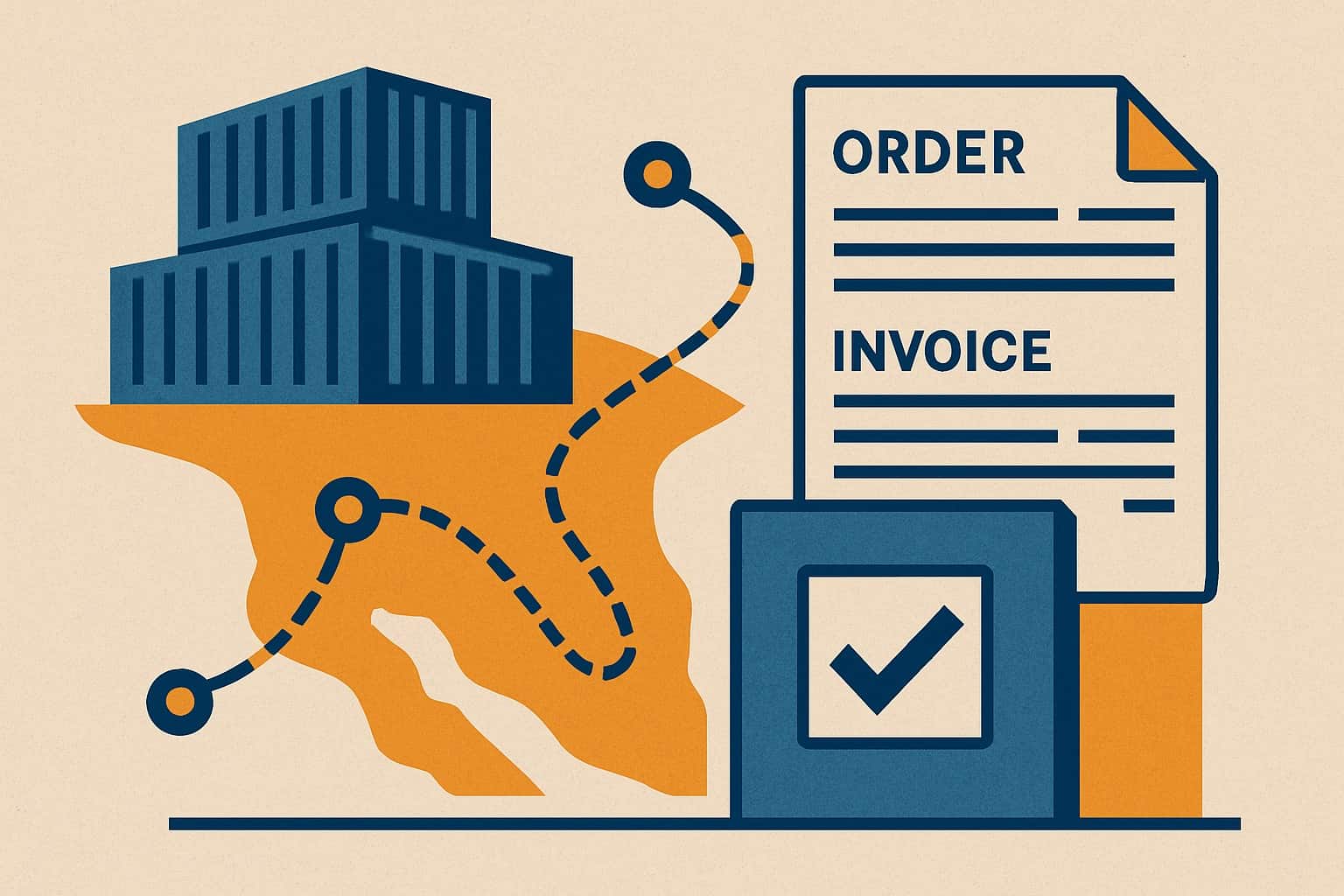
Order processing agent
Take customer orders on WhatsApp — capture items, confirm details, and push them straight into your system.
See how we build itAI agents · Logistics & supply chain
Logistics runs on thin margins and enormous document volume — every order, delivery note and invoice has to be keyed, matched and cleared without error. We build AI agents on Claude that take the repetitive matching, data-entry and exception work, while your team keeps the judgment calls. Human-in-the-loop by design, so nothing ships without a person who can see and override it.
Freight, 3PL and forwarding are cents-per-parcel businesses. The profit isn't in any single shipment — it's in moving huge volume cleanly. So the moment someone re-keys an order into the TMS, chases a wrong address, or reworks a mis-billed consignment, that margin is gone. Manual handling doesn't just cost time; at scale it quietly erases the operation's whole return.
A single shipment throws off a purchase order, a delivery order, a packing list, a customs declaration and an invoice — and they all have to agree. Three-way PO/DO/invoice matching is where overpayments, duplicate billing and supplier disputes hide. Do it by eye across thousands of lines a week and mismatches slip through as real money lost and delayed releases.
The Malaysia–Singapore trade lane means two customs regimes at once — Kastam on one side, Singapore Customs on the other — plus SST in Malaysia and GST in Singapore. HS codes, permits and values have to line up on both declarations. One inconsistent field and the consignment sits at the checkpoint while demurrage and detention charges climb.
Orders, tracking queries and rate requests don't respect office hours — they arrive overnight, on weekends and in three languages. A held shipment or an unanswered customer message at 11pm is business lost to whoever replied first. Exceptions are the norm, not the edge case, and slow handling is what customers actually notice and remember.
The highest-return work is the repetitive, rules-heavy flow: order processing into your TMS, invoice and three-way matching, contract and rate-card review, first-line support triage, and an internal knowledge agent that answers your team's SOP and customs questions.
Take customer orders on WhatsApp — capture items, confirm details, and push them straight into your system.
See how we build it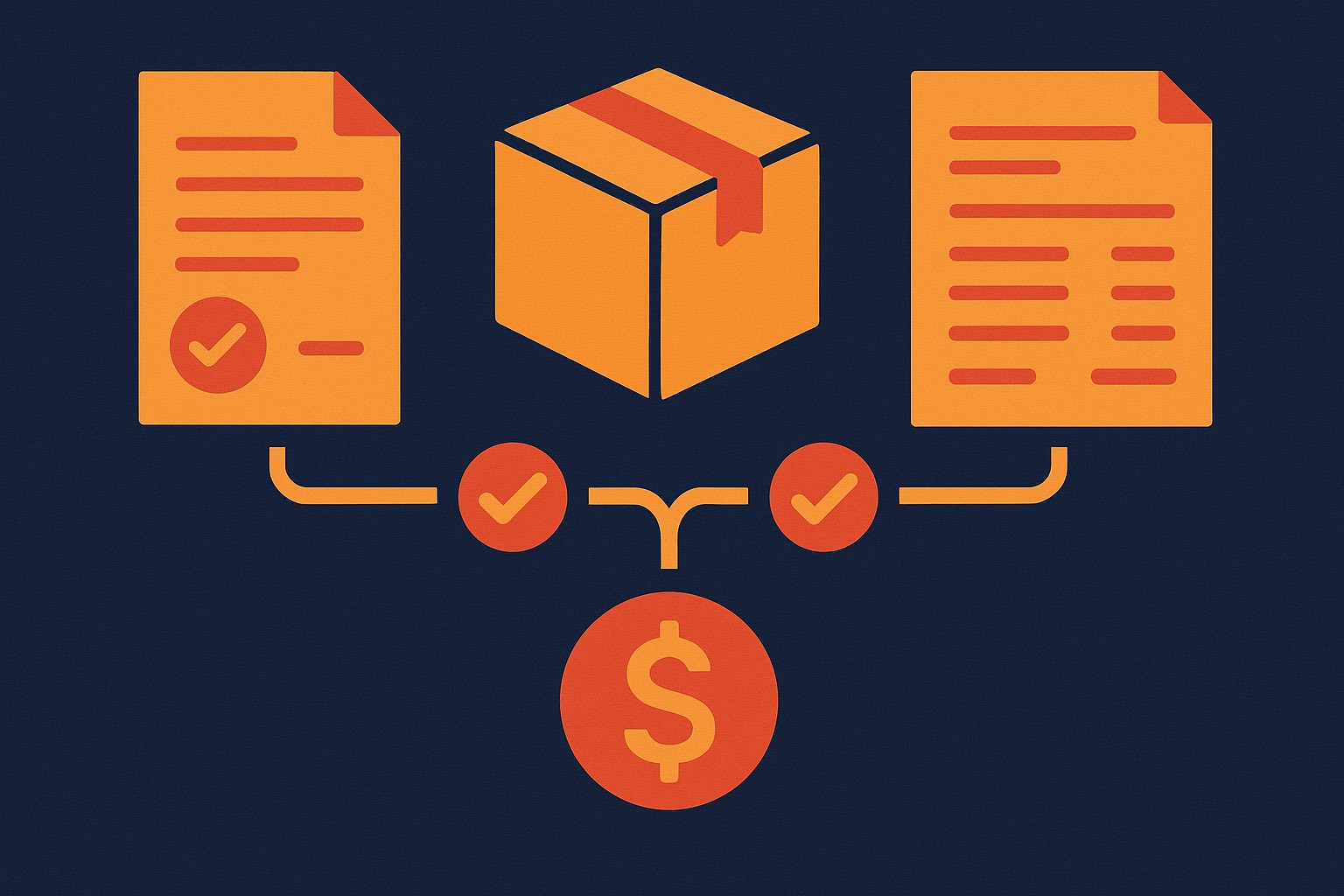
Three-way match of purchase order, delivery order and invoice before a payment goes out.
See how we build it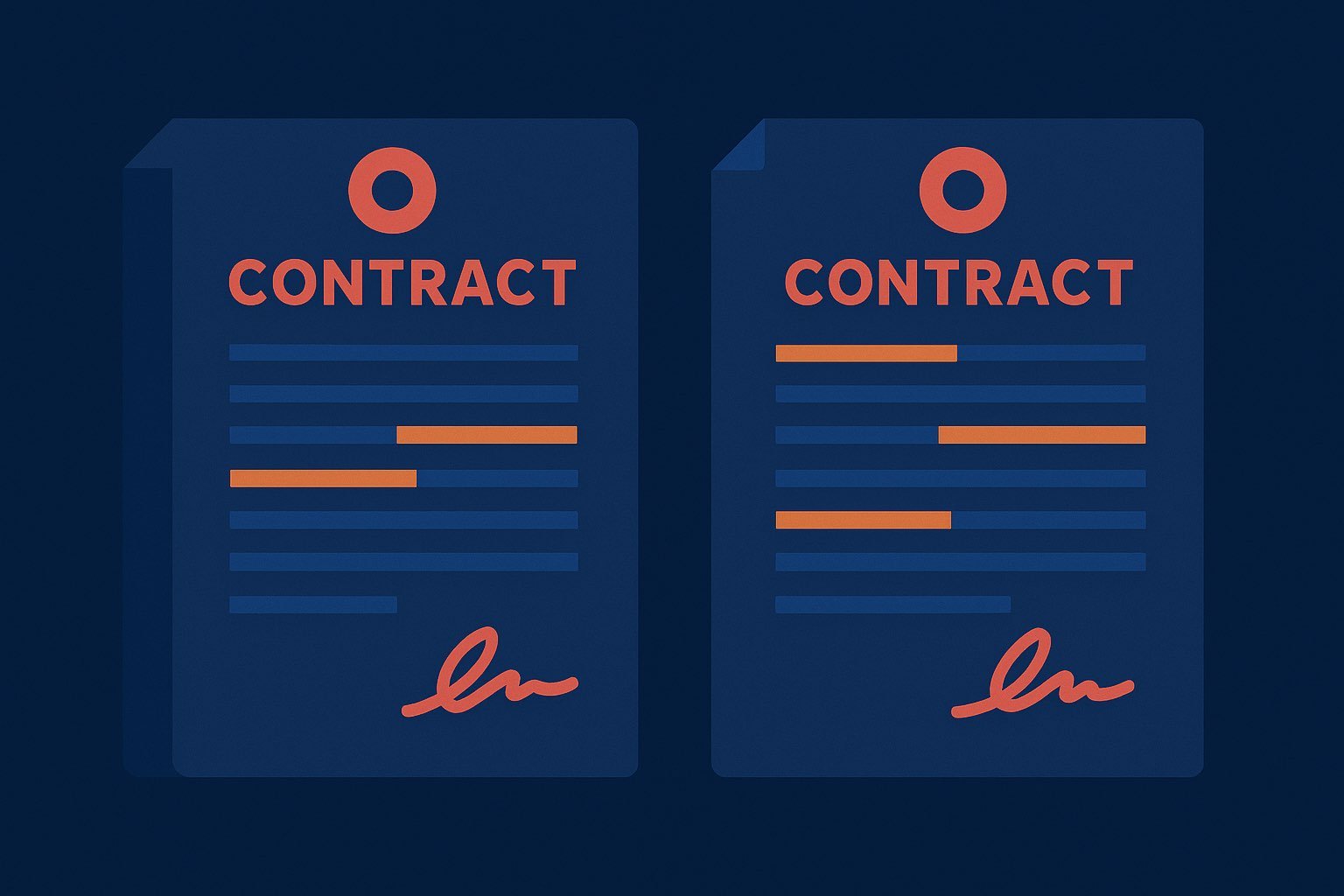
Compare a signed contract against the agreed template and surface the clauses that changed.
See how we build it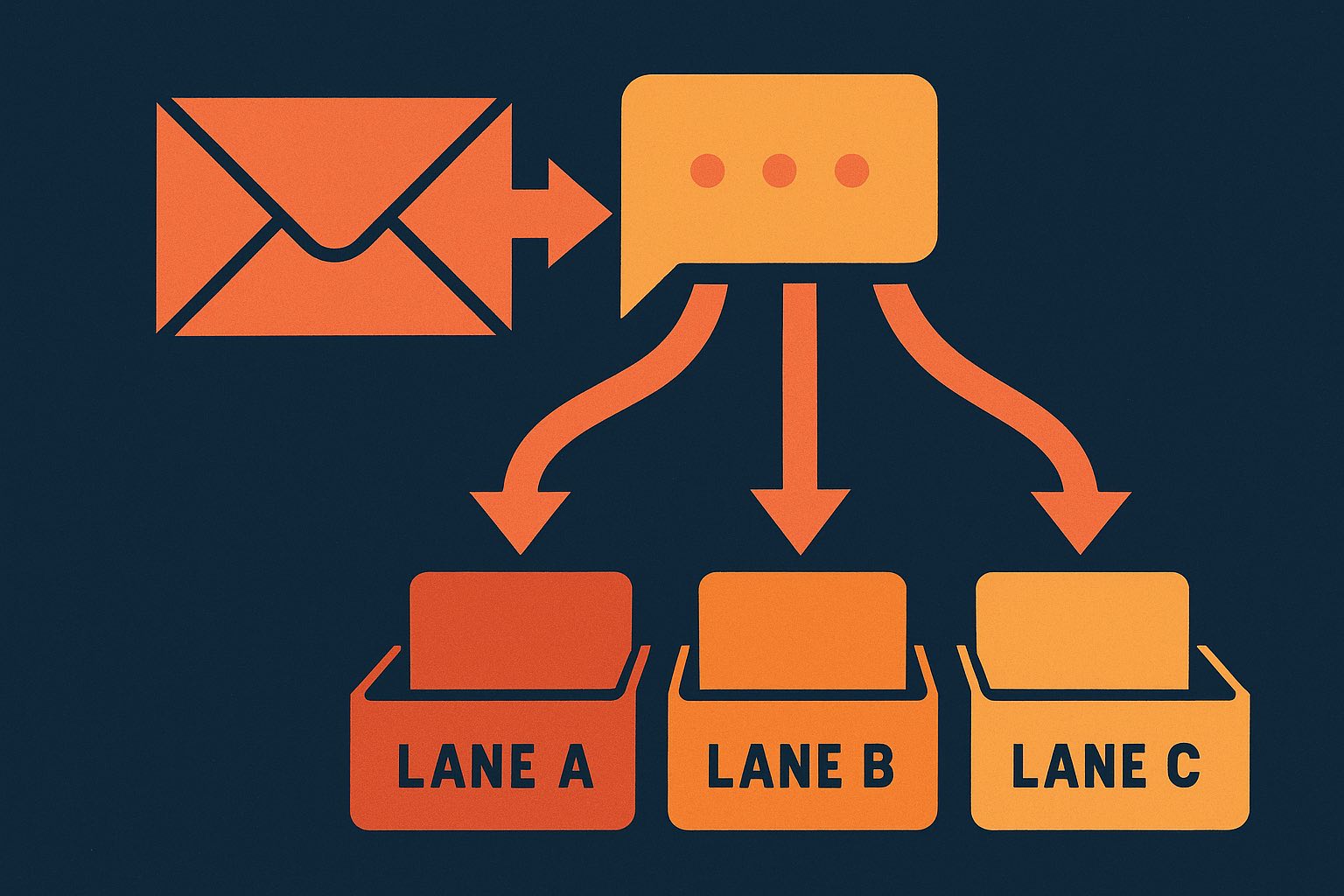
Read, categorise and route incoming tickets, resolving the routine ones on the spot.
See how we build it
Staff ping HR, IT and ops all day with questions already answered in your own documents.
See how we build itLogistics work is structured, high-volume and auditable — which is exactly where a well-scoped agent earns its keep. The engineering matters more than the demo: the goal is a system you can trust to run unattended on the easy cases and escalate the rest.
We're a Malaysian AI agency and Certified in the Claude Partner Network. We design, build, deploy and run custom agents on the Claude Agent SDK and MCP, wired into your TMS, accounting and customs tooling.
Tell us your document volumes and where the rework piles up, and we'll say honestly whether an agent is worth building for your operation — or whether an off-the-shelf tool gets you there faster.