

evaluator-optimizer
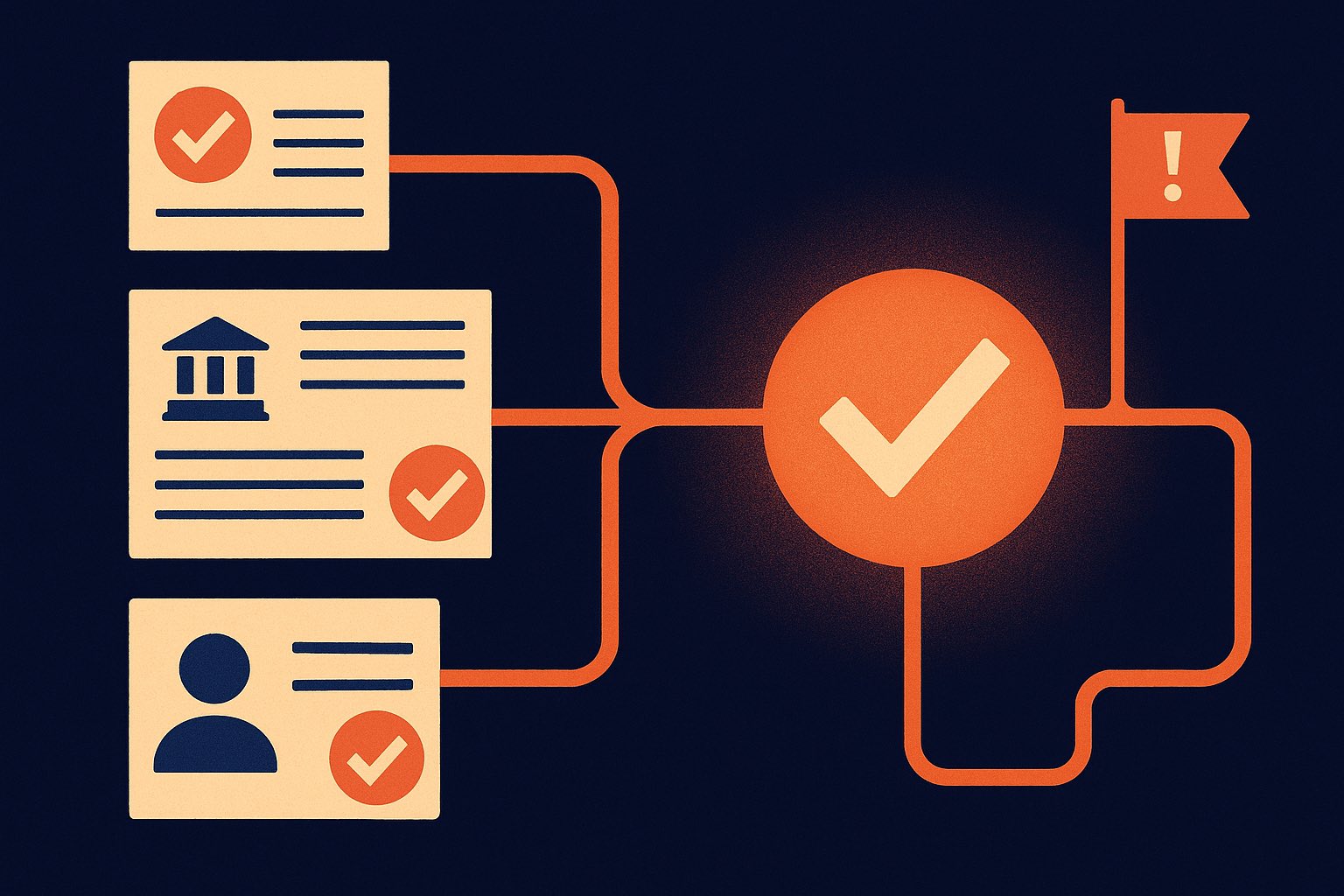
Credit evaluation agent
Reviewers spend their day cross-checking loan documents by eye instead of deciding.
See how we build itAI agents · Financial services
Banking, lending and insurance run on documents, verification and risk that is priced to the cent — and most of the work is still done by hand. We design and build custom AI agents on Claude, human-in-the-loop, that cut the manual document and verification grind while a person keeps every decision. You get the throughput without giving up control or the audit trail.
Net interest margins and claims ratios leave little room for slack. Every hour an analyst spends keying data off a payslip, reconciling a statement or re-checking a claim eats directly into the spread. The unit economics reward speed and accuracy at scale, yet the processing that decides both is still overwhelmingly manual and expensive to grow.
Obligations from BNM and MAS — AML, KYC, suitability, record-keeping — are non-negotiable and audited. Verifying an IC or NRIC, matching payslips to bank statements and screening names by hand is slow, inconsistent between officers, and prone to the exact errors regulators penalise. The control has to be right every time, not on average.
Loan files, claims packs, policy schedules, board resolutions and contracts arrive as PDFs, scans and photos in mixed languages. The value — and the risk — lives in cross-checking them: does the income support the limit, does the claim match the policy, do the figures reconcile. Done by hand, that is where the hours and the mistakes accumulate.
Listed banks and insurers answer to Bursa Malaysia and SGX for what they disclose and when. Announcements, results commentary and investor responses must be consistent, accurate and defensible after the fact. Producing them under deadline while keeping every version auditable is a governance load that manual drafting and review handle poorly.
We map agents to the document- and verification-heavy work that repeats daily: credit evaluation, KYC onboarding, insurance claims, invoice matching, contract review and corporate communications. Each links to a worked example with the workflow, model choice and a cost estimate.
Reviewers spend their day cross-checking loan documents by eye instead of deciding.
See how we build it
Check that identity documents, proof of address and application details are consistent.
See how we build it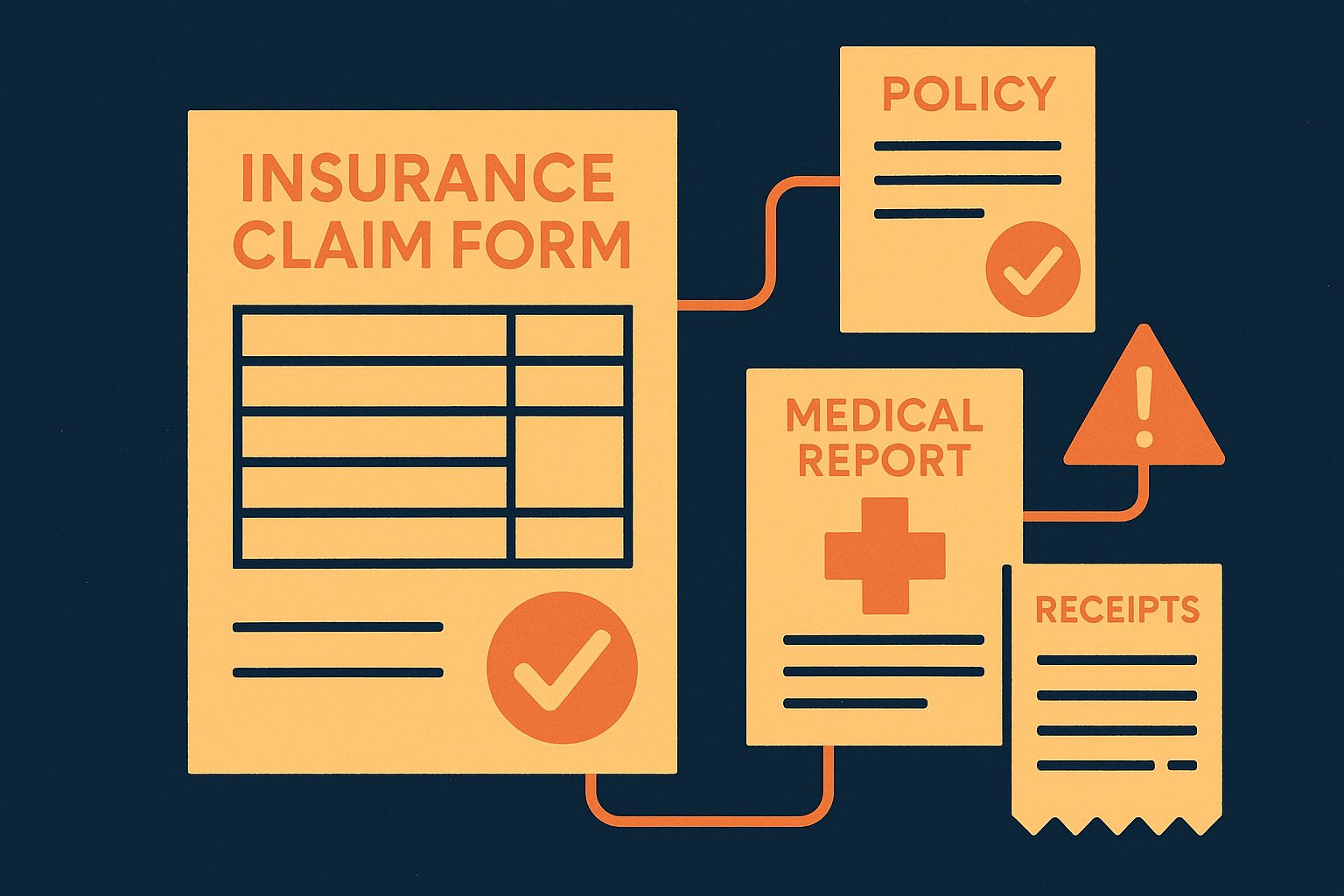
Match a claim against the policy, the report and the receipts — and flag what doesn't add up.
See how we build it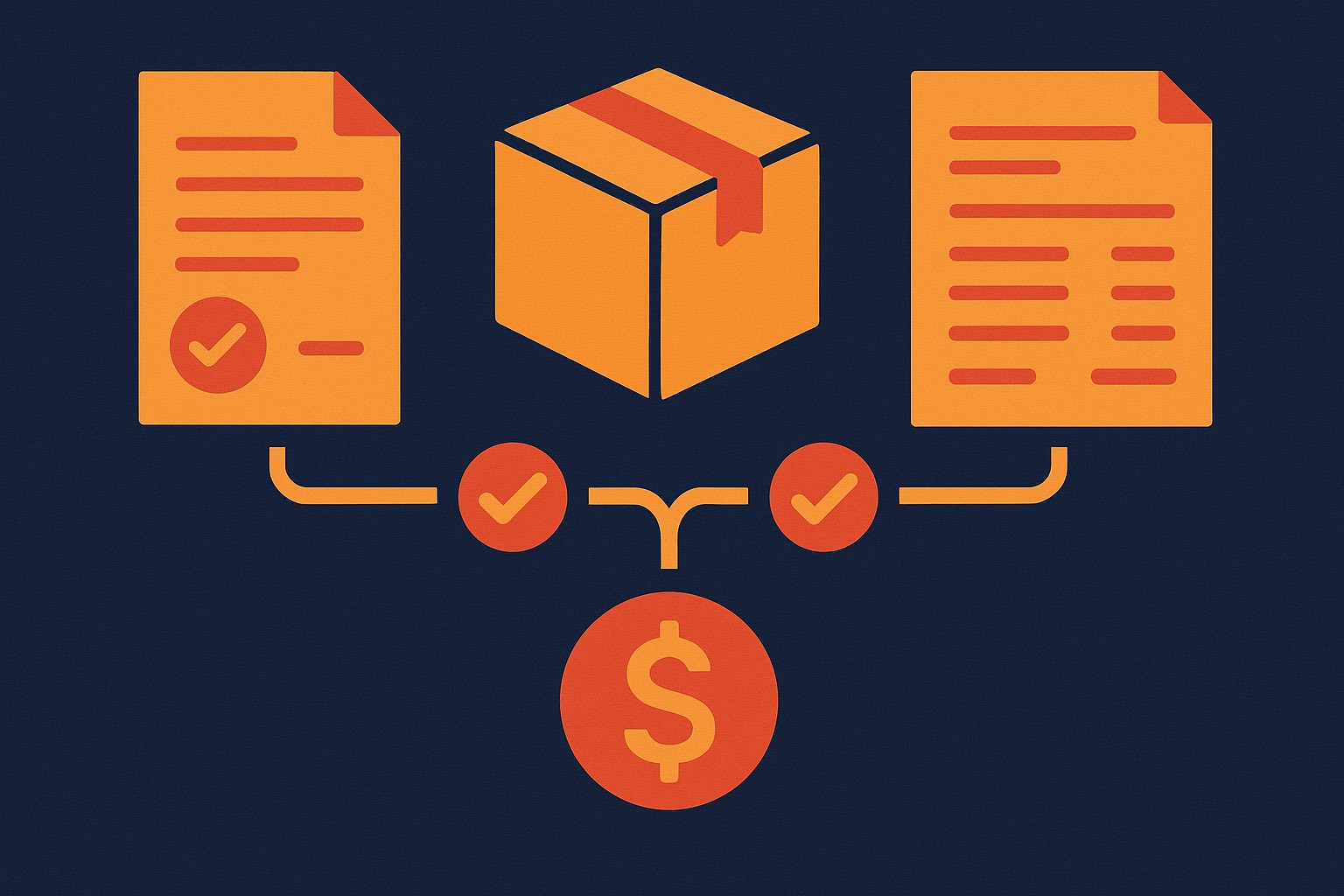
Three-way match of purchase order, delivery order and invoice before a payment goes out.
See how we build it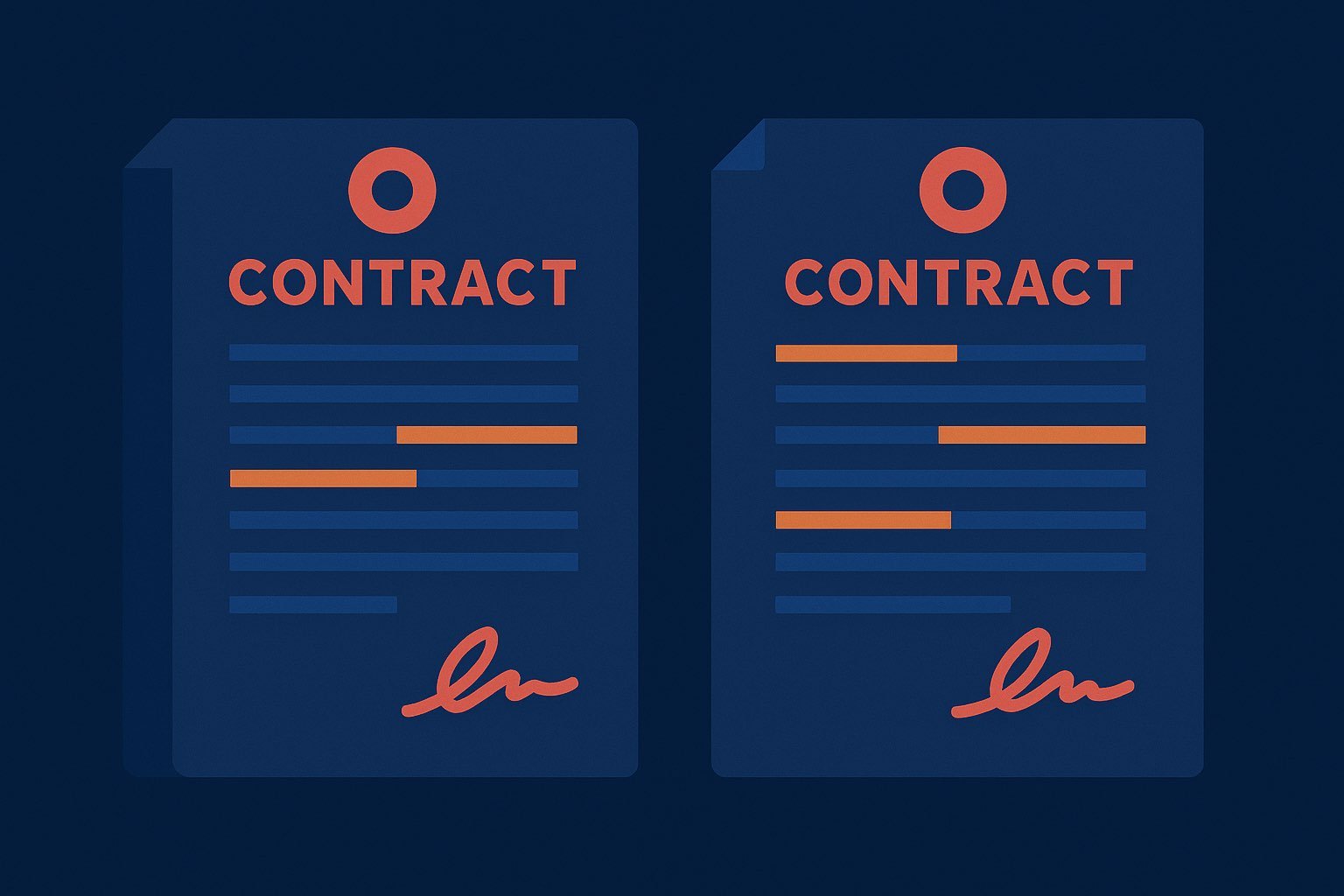
Compare a signed contract against the agreed template and surface the clauses that changed.
See how we build it
Turn one approved message into on-brand, fact-consistent versions in every language — checked, flagged, and ready for sign-off.
See how we build itFinancial services work is structured, rule-bound and evidence-driven — which is exactly where a well-scoped agent earns its keep. The point is not to replace judgement but to do the reading, cross-referencing and drafting, then hand a human a clear recommendation with its receipts.
We are a Malaysian AI agency and a member of the Anthropic Claude Partner Network. We build on the Claude Agent SDK and MCP, so agents connect to your real systems and documents rather than living in a chat box. We publish a directory of worked use cases and a cost calculator so you can see the shape of a build before you commit — and we will tell you plainly when an off-the-shelf Claude seat already solves the problem and a custom agent is not worth it.
Tell us your volumes and the documents your team wades through, and we will say honestly whether an agent is worth building — or whether an off-the-shelf Claude seat already covers it.