

Smart Manufacturing Solutions in Malaysia
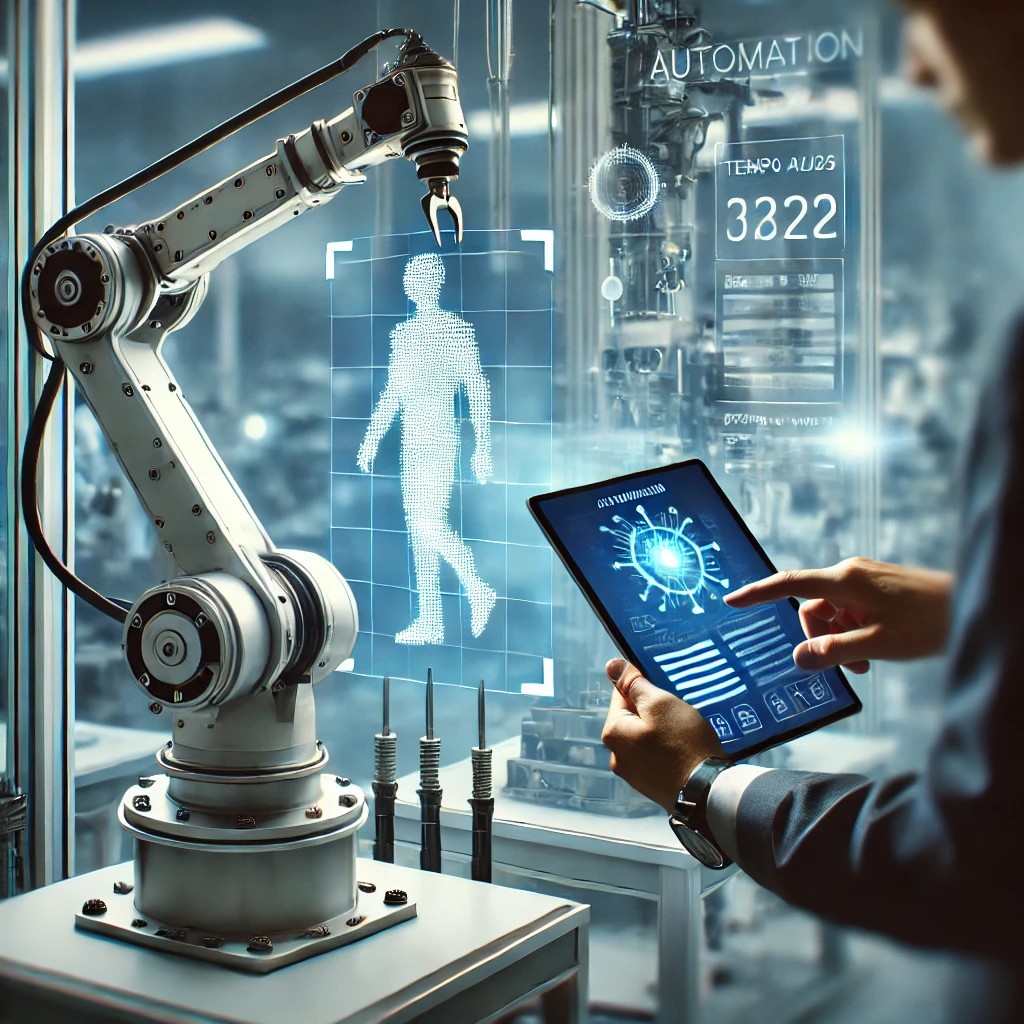
Understanding Smart Manufacturing
What is Smart Manufacturing?
Smart Manufacturing represents the convergence of digital technology and traditional manufacturing processes. It integrates real-time data, IoT devices, artificial intelligence, and automation to create a more connected, efficient, and adaptive manufacturing environment.
Why Smart Manufacturing Matters
Enhanced Productivity
Achieve higher output with optimized processes, reduced downtime, and streamlined operations through real-time monitoring and predictive maintenance.
Cost Efficiency
Reduce operational costs through optimized resource utilization, minimized waste, and improved energy efficiency.
Quality Assurance
Maintain consistent product quality through automated quality control, real-time monitoring, and data-driven process improvements.
Agile Operations
Respond quickly to market changes and customer demands with flexible, data-driven manufacturing processes.
Key Benefits
Increased Productivity
- Reduced downtime
- Optimized processes
- Improved efficiency
- Enhanced throughput
Quality Improvement
- Reduced defects
- Consistent output
- Real-time quality control
- Automated inspections
Cost Reduction
- Lower maintenance costs
- Reduced waste
- Energy optimization
- Resource efficiency
Innovation
- Digital transformation
- Data-driven decisions
- Competitive advantage
- Future-ready operations
Frequently Asked Questions
What is smart manufacturing and how is it different from traditional manufacturing?
Smart manufacturing uses IoT sensors, AI, and real-time data analytics to create connected, automated factory environments. Unlike traditional manufacturing which relies on manual monitoring and scheduled maintenance, smart manufacturing enables predictive maintenance, real-time quality control, and data-driven decision making — reducing downtime by up to 50%.
How much does it cost to implement smart manufacturing in Malaysia?
Implementation costs depend on factory size and scope. A pilot project covering one production line typically starts from RM 50,000-150,000. Full facility-wide Industry 4.0 transformation ranges from RM 200,000 to RM 1 million+. Malaysian manufacturers can leverage government incentives like the Industry4WRD program and MIDA grants to offset costs.
Which industries in Malaysia benefit most from smart manufacturing?
Electronics and semiconductor manufacturing, automotive parts, food and beverage processing, pharmaceutical, and rubber/palm oil processing industries in Malaysia see the highest ROI. Factories in Selangor, Penang, and Johor industrial zones are rapidly adopting Industry 4.0 solutions to stay globally competitive.
How long does it take to implement smart manufacturing solutions?
A focused IoT pilot project can be deployed in 4-8 weeks. A comprehensive smart manufacturing transformation covering multiple production lines typically takes 3-9 months. Anchor Sprint uses an incremental approach — starting with quick-win IoT deployments that show ROI within the first month, then expanding across the facility.
Does Anchor Sprint provide both the hardware and software for smart manufacturing?
Yes, Anchor Sprint provides end-to-end smart manufacturing solutions including IoT sensor hardware, connectivity infrastructure, data analytics platforms, AI-powered monitoring dashboards, and integration with existing MES/ERP systems. We partner with leading industrial IoT hardware vendors and handle everything from assessment to deployment and ongoing support.
Ready to Transform Your Manufacturing Operations?
Let's discuss how our smart manufacturing solutions can help your facility achieve greater efficiency and competitiveness.